

Why Most Communication Updates Fail and How I Fixed Mine
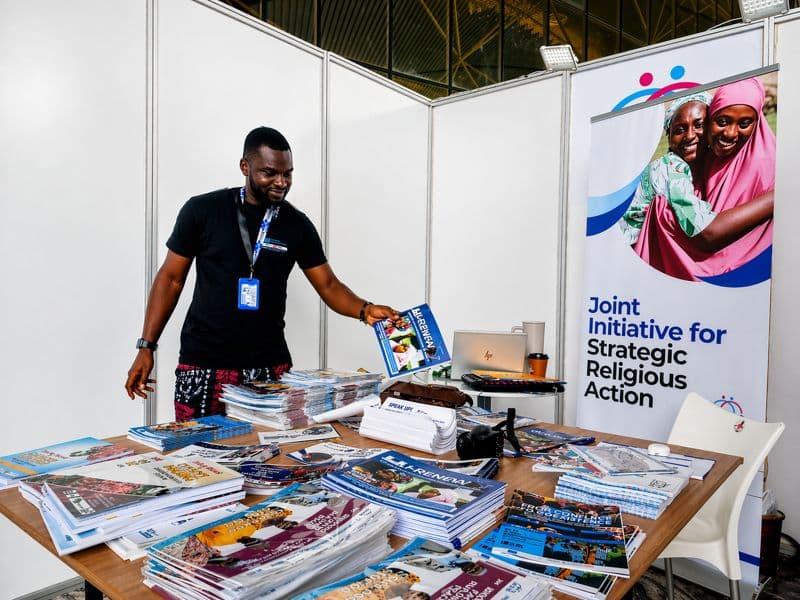
Most communication updates are long. But when you read them closely, they say very little. I see this often in our field. We write detailed paragraphs about activities.
- Meetings held.
- Trainings conducted.
- Materials produced.
It looks complete on paper. But the people reading those updates are not looking for volume. They are looking for meaning. There is always one question behind the scenes: So what does this change?
The Real Problem With Most Updates
The issue is not effort. Communication teams are doing the work. The issue is how that work is presented. Most updates describe what happened. Very few explain why it matters. For example, an update might say: “A 3-day training was conducted for 25 youth participants on conflict resolution in Plateau State.” This is accurate.  But it does not answer what leadership or donors actually care about. Why those 25 youth? What gap was this training addressing? What changes because of this? Without that context, the update becomes noise.
The Shift From Activities to Progress
At some point, I realized I was reporting activities, not progress. That is a critical difference. Activities tell you what was done. Progress tells you what is changing. Once I made that shift, my updates became shorter but more useful. Because I started writing for decision makers, not just for records. The Four-Sentence Structure I Use
To stay disciplined, I now use a simple structure. Just four sentences.
- What strategic action happened
- Who was engaged
- What problem it addresses
- What impact it enables It sounds simple, but it forces clarity.
What This Looks Like in Practice Let’s take that same example and rewrite it using the structure:
Before: “A 3-day training was conducted for 25 youth participants on conflict resolution in Plateau State.” After: A targeted conflict resolution training was delivered to strengthen youth-led peace efforts in Plateau State. 25 youth leaders from high-risk communities were engaged. The activity addresses the growing role of youth in local tensions and the lack of practical mediation skills. This enables early intervention at the community level and reduces the risk of small disputes escalating into violence.
Same activity. Completely different value.
Another Example From Donor Reporting Typical update:
“Stakeholder engagement meeting held with local authorities and community leaders.” Using the structure: A coordination meeting was convened to align local authorities and community leaders on joint peacebuilding actions. Representatives from local government, security agencies, and community groups participated. This addresses fragmented responses to recurring communal conflicts. It enables a more coordinated early warning and response system across the area. Now the update speaks directly to strategy and outcomes.
Why This Works
This structure works because it aligns with how decision makers think. They are not tracking activities line by line. They are asking: Is this aligned with our strategy? Are we engaging the right people? Are we solving the right problem? Is this leading to real impact? Your update should answer these questions quickly.
Common Mistakes to Avoid
Even with a structure, there are a few traps to watch out for: Being too generic Saying “stakeholders were engaged” without naming who they are Skipping the problem Jumping from activity to impact without explaining the gap being addressed Overstating impact Claiming outcomes that have not happened yet instead of saying “enables” or “contributes to” Writing like a report, not a communicator Long sentences, technical language, and no clear takeaway How to Start Using This Immediately You do not need to overhaul your entire reporting system. Start small. Take your next update and force it into four sentences. Ask yourself:
What was the real strategic action here?
Who actually mattered in this activity?
What problem are we trying to solve?
What does this make possible? If you can answer these clearly, your update is strong.
Final Thought
In communications, clarity is a skill. Not everything needs more words. Most things need better structure. When you move from describing activities to explaining progress, your work becomes easier to understand, easier to trust, and easier to support. And that is what good communication should do.
Nelson Asoh has 15+ years of experience in NGO and INGO communications, working with programmes funded by UNICEF, the EU, USAID, IOM and the Dutch Embassy. Visit nelsonasoh.com.ng or take the free Communications Health Check.