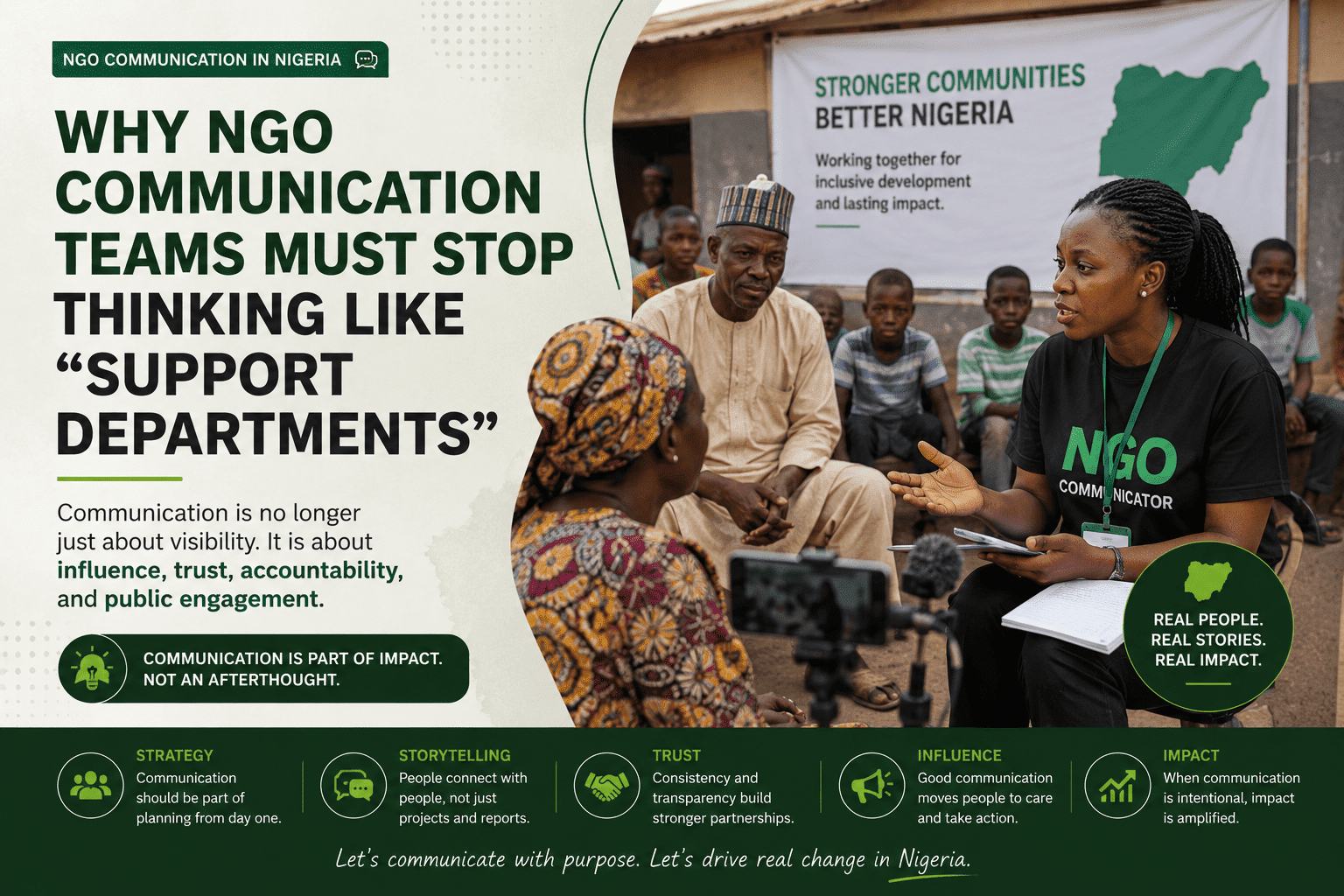
Why NGO Communication Teams Must Stop Thinking Like “Support Departments”
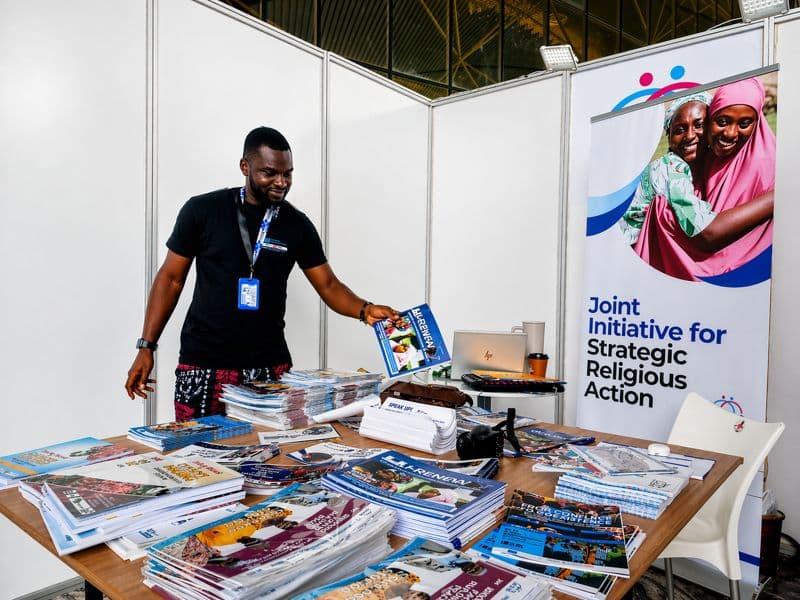
In many NGOs, communication teams are still treated like support units.
We are often brought into projects after everything has already been planned.
Sometimes after implementation has already started. Then suddenly, the communication team is expected to “create visibility.”
But communication in today’s development sector is no longer just about visibility.
It is about influence, trust, accountability, and public engagement.
The role of communication has changed completely.
In 2026, organisations are not only competing for donor attention. They are competing for public trust, digital attention, and audience relevance. This means communication can no longer sit quietly at the end of a project cycle.
Communication Must Be Part of Strategy From the Beginning
Communication must be part of strategy from the beginning.
I have worked on projects where the strongest impact stories were missed because communication was introduced too late. By the time the team wanted videos, testimonials, or community stories, the best moments had already passed.
Good communication is not something you “add” to a project.
It is something you build into the project itself.
This is especially important in the NGO space where many organisations work on sensitive issues like peacebuilding, governance, humanitarian response, youth engagement, education, and social cohesion.
These are deeply human issues.
And human issues require human-centered communication.
Today, audiences want more than polished reports and technical language. They want authenticity. They want stories they can connect with. They want to understand the real people behind the statistics.
That is why communication professionals in NGOs now need a broader skill set than ever before.
The NGO Communicator’s Expanding Role
We are no longer just writers or media officers.
We are digital strategists.
Storytellers.
Audience engagement specialists.
Content producers.
Brand managers.
Community builders.
And increasingly, we are helping organisations navigate AI-driven communication environments where speed and authenticity must exist together.
One major shift I have noticed is that organisations with strong communication systems tend to build stronger partnerships and visibility opportunities. They are easier to trust because they communicate consistently and clearly.
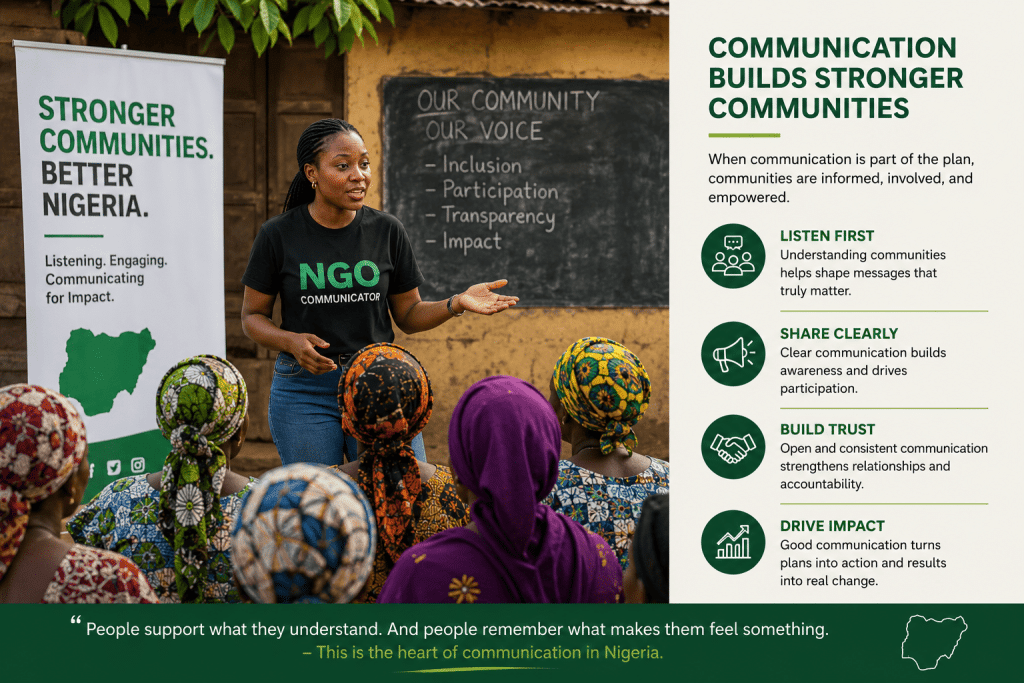
People support what they understand.
And people remember what makes them feel something.
Communication Is Part of Impact Itself
This is why NGO communication teams must be integrated into leadership conversations, program planning, monitoring processes, and digital strategy discussions.
Communication is no longer an afterthought.
It is part of impact itself.
The organisations that understand this shift early will stand out in the coming years.
Not because they are louder.
But because they communicate with purpose.
What This Looks Like in Practice
Repositioning a communications team from support function to strategic function does not happen overnight. But it starts with a few concrete changes that any NGO can make regardless of budget or team size.
First, bring communications into project design meetings from day one. Not just to capture content later, but to map out what stories will need to be told, which audiences matter most, and what evidence will be needed to demonstrate impact at reporting time. A communications person at a design meeting costs nothing. A missed impact story costs a future grant.
Second, build story collection into field team workflows. Train frontline staff to document what they see and hear, using simple mobile tools, voice notes, or structured templates. The most powerful stories I have helped publish came from field staff who had been shown a basic framework for what to look for, not from a communications officer flying in to collect content at the end of an activity.
Third, treat your communications calendar as seriously as your programme calendar. Visibility deadlines, reporting periods, and campaign moments should all be mapped at the start of a programme cycle, not discovered under pressure weeks before they are due.
The Cost of Getting This Wrong
When communication sits at the end of a project cycle, the organisation pays in three ways.
It pays in missed stories. The most compelling moments in any programme happen during implementation, in real time, in the field. By the time a communications team is brought in, those moments are gone. What remains are reports, activity logs, and photographs taken without a story in mind.
It pays in compliance gaps. Donor visibility requirements are not optional, and they apply from the moment a programme begins. Materials produced without proper branding, stories submitted without signed consent, or social media posts that reference programme work without donor acknowledgement can all trigger compliance issues during mid-term reviews or audits.
It pays in institutional credibility. Organisations that communicate consistently and well are easier to trust, easier to partner with, and easier to fund. Organisations that communicate reactively, only when they have to, look exactly as disorganised as they are, regardless of the quality of their field work.
The development sector has never been more competitive for funding, attention, and partnerships. Communications is no longer a back-office function. It is a front-line capability. The teams that treat it that way are the ones that will keep their seats at the table.
For a practical look at how communication failures show up in donor reporting specifically, read What Donor Visibility Actually Means and Why Most NGOs Get It Wrong. And if your team’s updates are still describing activities instead of progress, Why Most Communication Updates Fail and How I Fixed Mine offers a simple four-sentence structure that changes how decision-makers read your work.
Nelson Asoh has 15+ years of experience in NGO and INGO communications, working with programmes funded by UNICEF, the EU, USAID, IOM and the Dutch Embassy. Visit nelsonasoh.com.ng or take the free Communications Health Check.